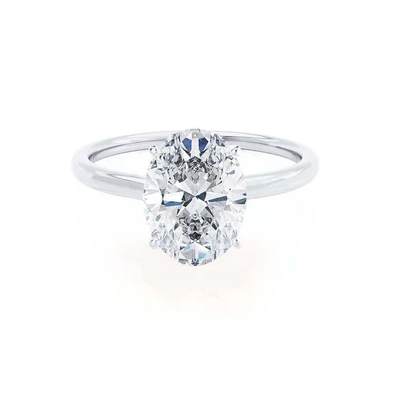

In the world of modern consumer culture, where new styles emerge and disappear in the blink of an eye, the value of meaningful design often stands in quiet contrast. Whether discussing boutique craftsmanship, sustainable manufacturing, or thoughtful artistry, brands like lily arkwright highlight how intention and purpose can elevate a piece far beyond fleeting trends. While trend-driven items may captivate attention for a moment, meaningful designs create a lasting connection that continues to resonate long after novelty fades.
Meaningful design begins with the idea of purpose. Instead of being shaped solely by what is currently popular, these pieces are grounded in deeper motivations such as heritage, emotion, functionality, and personal expression. They are crafted to serve a long-term role in the owner’s life, whether through durability, aesthetic depth, or sentimental significance. This grounding transforms the item into more than an accessory or object; it becomes something that reflects values, experiences, and individuality.
Trend-driven items, by contrast, are often born from the urgency to remain visible in a fast-paced market. They are typically created to satisfy immediate demand, which means they may lack depth in their design philosophy. While they can be exciting and accessible, they often do not offer the same level of emotional connection. Trend-based pieces may shine brightly for a short period, but they are frequently replaced when the next wave of styles arrives. This rapid cycle can lead to a sense of disposability that diminishes the meaning behind what we choose to own.
Another aspect that sets meaningful designs apart is their ability to age gracefully. When an object is created with careful consideration, high-quality materials, and a strong vision, it naturally holds its beauty over time. The appeal of such designs does not rely on staying current. Instead, they remain valued because they embody craftsmanship and intention. Every detail contributes to their character. Even as years pass, these items continue to feel relevant and cherished.
In contrast, trend-driven items tend to lose their appeal once the excitement of the trend cools. They may not be created to endure, either in construction or in aesthetic relevance. Because they rely heavily on what is fashionable in the moment, their lifespan is limited. This often leads to the cycle of purchasing more frequently, replacing items not because they have worn out, but because their stylistic moment has ended.
Meaningful designs also reflect a thoughtful relationship with sustainability and ethical production. Designers who focus on long-lasting value often prioritize responsible sourcing, mindful creation, and reduced environmental impact. This adds another layer of significance for the owner, who knows their purchase supports practices that align with their principles. This connection deepens the sense of purpose behind the design. On the other hand, items created to fuel fast-changing trends may rely on rapid manufacturing processes that do not prioritize longevity or environmental considerations.
Ultimately, meaningful designs endure because they tell a story. They communicate the vision of the creator and the identity of the owner. They become part of a personal narrative rather than a temporary aesthetic choice. While trend-driven items can play a fun role in refreshing one’s style, it is the pieces with intention and purpose that truly stand apart. They remind us that what we own can reflect not just how we look, but who we are and what we value.
 Fumio
Fumio 



+ There are no comments
Add yours