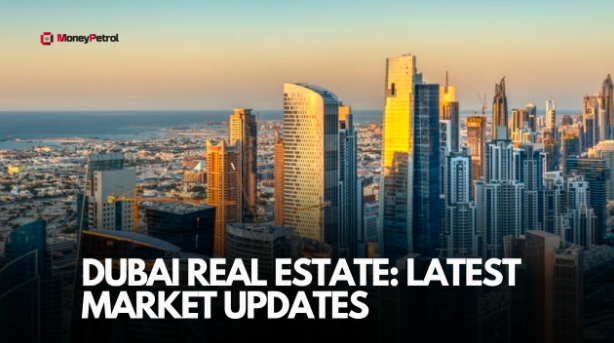

According to the latest news UAE, Dubai’s property market is witnessing unprecedented activity in 2025, continuing its trajectory as one of the most dynamic real estate hubs globally. From record-breaking transaction volumes to changing buyer demographics and evolving supply trends, the city is clearly in a period of transformation. Investors, developers, and homeowners alike are keenly observing Dubai’s property sector as it balances growth with sustainability and innovation.
Record Transaction Volumes and Rising Demand
One of the standout developments in Dubai’s real estate market has been the surge in transaction volumes. In the first half of 2025, property deals in Dubai reached approximately AED 431 billion (USD 117 billion), marking a 25% increase compared to the previous year. Residential and commercial segments alike have experienced strong uptake, reflecting a combination of local demand and foreign investment.
Luxury villas, mid-market apartments, and off-plan projects are all seeing significant interest. The city’s favorable tax policies, freehold ownership options, and lifestyle appeal continue to attract global investors, reinforcing Dubai’s position as a premier real estate destination.
Price Growth and Investment Opportunities
Property values in Dubai are on the rise, with villa prices increasing by nearly 30% year-on-year and apartment prices climbing around 20%. Some areas, particularly high-demand communities like Downtown Dubai, Dubai Marina, and Palm Jumeirah, continue to command premium prices. Meanwhile, mid-market residential projects in emerging neighborhoods such as Jumeirah Village Circle and Dubai South offer attractive yields and affordability, catering to a broader spectrum of buyers.
Rental yields remain robust, with some segments delivering 8–12%, making buy-to-let investments increasingly viable. Off-plan projects with flexible payment plans also continue to be a popular choice for investors seeking long-term capital growth.
Supply Dynamics and Market Shifts
While demand is strong, supply growth is an important factor to monitor. Analysts estimate that more than 210,000 units are scheduled for delivery across Dubai by 2026, which could create temporary pressure on apartment prices in some areas. Developers are responding with diversified offerings, focusing on both luxury and mid-market properties to cater to shifting buyer preferences.
Emerging residential zones and suburban communities are witnessing increased interest as buyers and renters seek lifestyle-focused environments with proximity to schools, healthcare, and commercial hubs. These trends reflect a more mature market that values convenience, connectivity, and quality of life alongside financial returns.
Factors Driving the Real Estate Boom
Several factors underpin the strength of Dubai’s property market:
- Government Support: Policies such as long-term residency visas for investors, streamlined property registration, and flexible payment structures attract both domestic and international investors.
- Lifestyle Appeal: Dubai’s combination of luxury living, world-class amenities, and cosmopolitan culture enhances the city’s attractiveness for residents and investors alike.
- Economic Resilience: Dubai’s diversified economy, strategic location, and business-friendly environment provide stability and confidence in property investments.
- Rental Income Potential: Competitive rental yields in key neighborhoods make the city appealing for buy-to-let strategies, often outperforming many Western markets.
These factors collectively reinforce investor confidence and sustain interest in both primary and secondary property markets.
Risks and Considerations
Despite the positive outlook, potential risks must be considered:
- Oversupply: Certain segments, particularly mid-market apartments, may face temporary price adjustments due to new project deliveries.
- Global Economic Factors: Interest rate fluctuations, currency movements, and geopolitical uncertainties can impact investment flows.
- Market Concentration: Clusters of similar projects in the same area could create localized competition, affecting rental and capital appreciation potential.
Strategic planning and informed investment decisions are essential to navigate these challenges successfully.
Dubai’s Role in the Regional Real Estate Landscape
Dubai continues to be the engine driving the UAE’s real estate sector, attracting global investors and acting as a gateway to the Middle East. According to uae Dubai news, the emirate’s strategic location, regulatory transparency, and robust infrastructure make it a prime destination for both residential and commercial property investments. Dubai’s emphasis on smart city development, sustainability, and integrated urban planning further enhances its global competitiveness.
The city’s ability to combine lifestyle, economic opportunity, and technological innovation ensures that it remains an attractive choice for investors seeking long-term growth in the property sector.
Conclusion
Dubai’s real estate market in 2025 offers unprecedented opportunities for investors, developers, and homebuyers. With strong transaction volumes, rising prices in key segments, and a broadening base of interested buyers, the market demonstrates resilience and long-term potential. Strategic planning, awareness of supply trends, and careful selection of property types and locations are crucial for maximizing returns.
Platforms like Money Petrol provide valuable insights into how capital flows, energy trends, and regional investment dynamics intersect with Dubai’s property market. Using these insights, investors can make informed decisions and strategically position themselves in one of the most vibrant real estate markets in the world. Powered by Money Petrol, Dubai’s property sector continues to shine as a global hub for growth, opportunity, and innovation in 2025.

 Fumio
Fumio 






+ There are no comments
Add yours